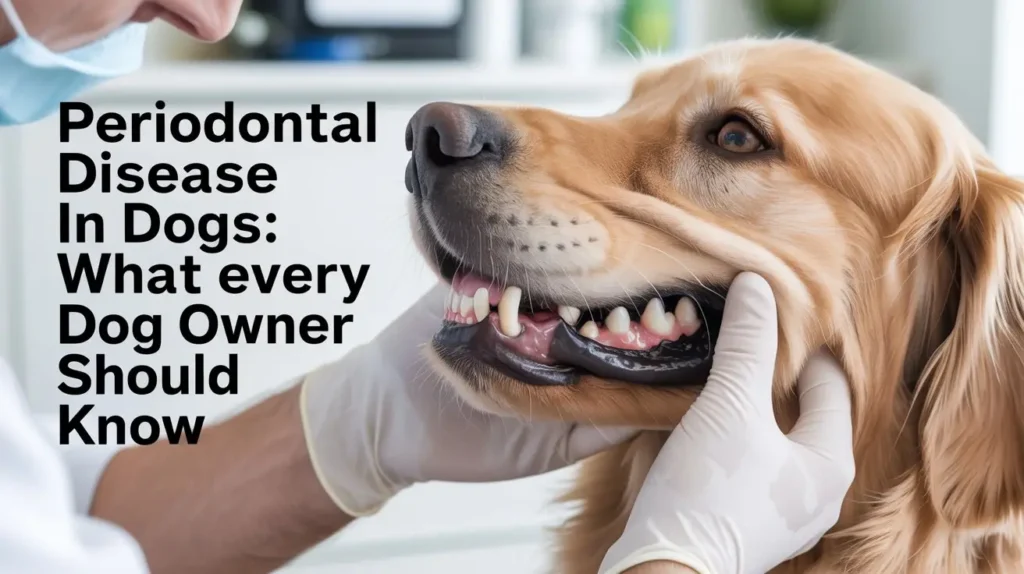
Periodontal Disease in Dogs, almost all owners underestimate the prevalence of dental infections in dogs. The majority of dogs show dental symptoms before reaching the age of three. The situation most commonly receives no attention until it develops into a serious condition. Knowledge about this problem helps dog owners secure their pets’ teeth alongside their general health.
The Definition of Periodontal Disease Among Dogs

The infections around teeth that bacteria from plaque cause in dogs constitute periodontal disease. The disease begins with the development of gingivitis which advances to destroy bone tissues if left untreated. Among dental diseases Periodontal disease stands as the most prevalent diagnosis that affects dogs and cats.
Periodontal disease causes dogs to experience three conditions: pain alongside tissue inflammation and tooth loss. Canine dental health neglect directly causes harmful health problems affecting dog hearts and kidneys.
Periodontal Disease in Dogs: The Dental Formula for Dogs
Periodontal Disease in Dogs, dog teeth distribution follows a specific formula which identifies both numbers and types of permanent teeth. Adult dogs typically have 42 teeth. Observing changes in teeth may reveal dog teeth disease or any other health problems.
The dental formula serves veterinarians to identify dental health conditions through examinations. The grading of dental disease in dogs depends on this basic tool.
Periodontal Disease in Dogs: Stages and Symptoms of Dog Gum Disease
Periodontal Disease in Dogs, dog gum disease starts without noticeable symptoms during its early stages. Watch for these common signs:
- Bad breath
- Swollen or bleeding gums
- Loose or missing teeth
- Loss of appetite
Dog gum disease progresses into stages where photos of the disease become noticeable while discomfort emerges and pus appears between the gums and teeth. Gain sufficient understanding of the dog gum disease stages to prevent late intervention.
Title Other indications include dog gum disease symptoms which manifest as drooling and repeated mouth pawing. Dog gum recession can expose itself in visible areas especially among small breeds particularly Chihuahuas. The natural progression of gum disease in Chihuahuas remains fast when treatment does not occur.
Gum Issues in Dogs: Why It Happens
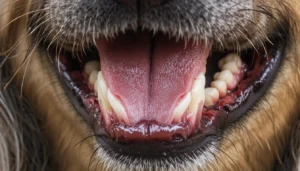
Dogs develop gum problems mainly due to oral care neglect, inherited traits, and dietary components. Specifically the Husky breed requires special attention when it comes to dental care. Since huskies are susceptible to dental problems the practice of proper dental care for huskies becomes essential.
Dogs develop gum recession when their inflammation increases and enables bacteria to penetrate farther into their oral tissues. Severe infections in dogs require medical treatments when gum infections become too difficult to handle.
Preventing Dental Disease in Dogs
Periodontal Disease in Dogs, daily tooth brushing and dental exams take first steps in keeping dogs healthy. Use VOHC-approved products. The Veterinary Oral Health Council grants certification to effective oral products that deliver clinical results.
A dog’s dental health depends on dental chews plus water additives alongside regular professional examinations. Annual professional cleanings are vital.
Insurance can also help. Look online for husky dental insurance policies along with local dentists accepting husky insurance plans to control costs. Need help? I should locate dentists who accept husky insurance plans to keep costs under control.
Periodontal Disease in Dogs: Treating Dog Advanced Periodontal Disease
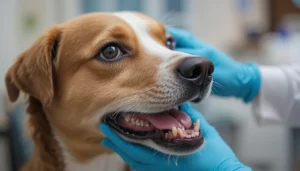
Periodontal Disease in Dogs, when detection occurs too late the remedy becomes harder to perform. To treat advanced dog periodontal diseases doctors perform surgical procedures accompanied by tooth removal plus antibiotic treatments.
Treatment depends on the specific level of dental disease found in your pet. The vet examines the condition’s intensity and builds treatment steps.
Periodontal Disease in Dogs, dogs with dogs and gum disease need extra attention. The treatment process includes medications plus eating soft meals and may require hospital care.
Addressing the present issue is merely the start of treatment because we must also create systems to stop issues from returning. Your dog’s recovery plan requires diet reassessment and increased frequency of brushing as well as scheduled additional cleanings. Making investments of both time and effort currently will stop further dental catastrophes from occurring and shield your pet from enduring needless pain.
Look After Your Dog’s Teeth Since Neglect Will Cause Harm
Teeth disease issues in dogs do not stay limited to their oral health area. The infection travels from the blood to damage important organs in the body. Dental treatment at an appropriate time reduces the need for expensive medical interventions in future.
You must perform routine checks to catch minor symptoms that may exist even if your dog appears healthy. Ongoing observation for any dental disease symptoms through changes in eating habits, behavior, and abnormal breathing. These symptoms generally relate back to canine dental health problems.
Dogs with untreated dental problems feel constant pain and experience nutrition problems leading to significant modifications in their conduct. Your dog will avoid socialization and play sessions. The health of their mouth plays an essential role in their overall quality of life because oral care directly affects their quality of life. Proactive observation combined with dedicated dental care play a vital role because strong dental attention never fails to matter.
The condition of periodontal disease in dogs remains severe yet it can be successfully prevented. Proper dog dental maintenance requires regular veterinary care in addition to early diagnosis of dental problems paired with appropriate canine dental treatment.
Knowledge of dog dental formula together with the use of products carrying VOHC certification and observing signs of gum disease in dogs brings significant protection. Husky dental insurance alongside finding nearby dentists who accept huskies helps bring comfort to dog owners.
It is important not to delay the necessary measures until your dog starts suffering. Your move toward defense of your doggy teeth will stop gum troubles from affecting your pups. A dental visit with teeth cleaning procedures leads dogs to experience better health while becoming more joyful.
Frequently Asked Questions
1. What is periodontal disease in dogs?
It’s an infection of the gums and teeth. It starts with plaque buildup and can cause tooth loss if not treated. Regular brushing and vet visits help prevent it.
2. What is the dental formula for dogs?
Adult dogs usually have 42 teeth. This includes different types of teeth for eating and chewing.
3. How can I prevent dental disease in dogs?
Brush your dog’s teeth every day, use vet-approved dental products, and visit the vet regularly for checkups.
4. Are some dog breeds more likely to have gum problems?
Yes. Small breeds like Chihuahuas and big breeds like Huskies can have more gum issues if not cared for properly.
5. What are the signs of serious gum disease in dogs?
Bad breath, red or swollen gums, loose teeth, or pus around the mouth can be signs of serious gum disease.
6. What should I do if my dog has a gum infection?
Take your dog to the vet right away. The vet might give antibiotics or clean the teeth to stop the infection.
7. Are there vets that take Husky insurance near me?
Yes. Many animal dentists accept Husky pet insurance. You can search online for “vets that take Husky insurance near me.”
8. What are common signs of gum disease in dogs?
Bleeding gums, bad breath, not eating well, and yellow or brown tartar on teeth are common signs.
9. Can dental disease make my dog sick?
Yes. Infections in the mouth can spread to the heart, liver, or kidneys. Good dental care helps keep your dog healthy.
10. How often should I check my dog’s teeth?
Brush your dog’s teeth every day and visit the vet once a year for a dental checkup and cleaning.